


Table of Contents
Table of Contents
Warehouse overflow is a challenge that many businesses face as they manage growing inventory and fluctuating demand. When a warehouse exceeds its storage capacity, it can disrupt operations, increase costs, and negatively impact customer satisfaction. Addressing this issue is not just about finding more space—it's about adopting smarter inventory management practices and optimizing existing resources.
In this guide, we'll delve into what warehouse overflow is, explore its causes and impacts, and share actionable strategies to prevent it. Whether you are scaling a business or managing seasonal demand, the comprehensive overview will equip you with the insights needed to maintain a streamlined and efficient supply chain.
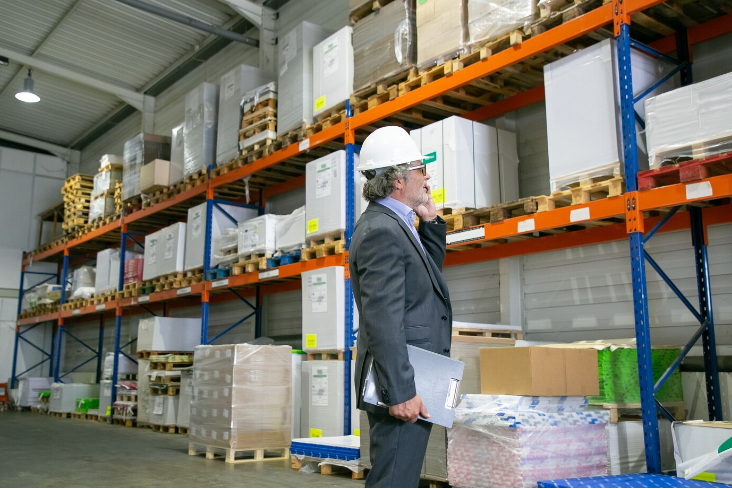
Understanding what causes overflow is the first step toward fixing it. Here are the key culprits:
b. Holding onto obsolete or unsold inventory for too long.
c. Inadequate systems for tracking incoming and outgoing goods.
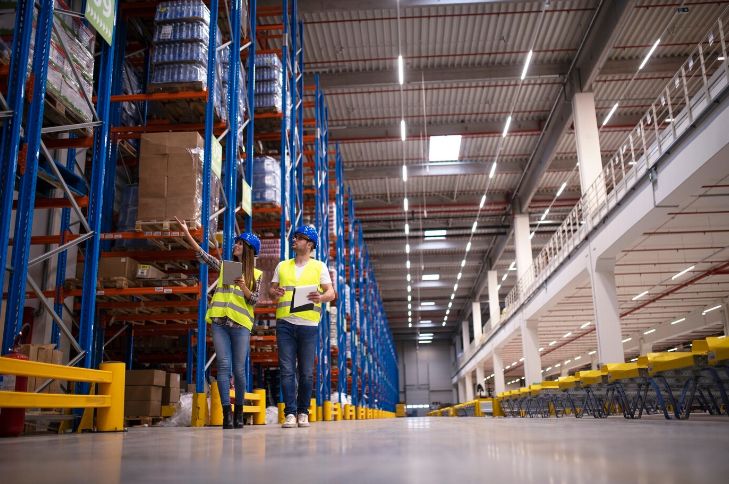
The good news? Warehouse overflow is preventable! By adopting these best practices, businesses can optimize their storage space and avoid logistical headaches:
In this guide, we'll delve into what warehouse overflow is, explore its causes and impacts, and share actionable strategies to prevent it. Whether you are scaling a business or managing seasonal demand, the comprehensive overview will equip you with the insights needed to maintain a streamlined and efficient supply chain.
1. What Is Warehouse Overflow
Warehouse overflow is a situation where a storage facility exceeds its designed capacity, leading to excess goods that cannot be accommodated within the designated warehouse space. Warehouse overflow can disrupt operations, increase costs, and impact overall efficiency. In today’s competitive business environment, understanding warehouse overflow and addressing it effectively is crucial to maintaining operational fluidity and customer satisfaction.2. How Warehouse Overflow Impacts Your Business
Warehouse overflow might seem like a minor inconvenience, but it can have a ripple effect on your business operations:Increased Operational Costs
Overflow often necessitates renting additional storage facilities or using temporary containers. Labor costs increase as workers struggle to navigate cramped spaces, leading to slower order picking and fulfillment.Delayed Order Fulfillment
Overstocked warehouses make it harder to locate and retrieve items. Fulfillment delay frustrates customers and can harm your reputation.Inefficient Inventory Management
Overstocking can result in expired or obsolete inventory, particularly for perishable goods or seasonal items.3. How Does Warehouse Overflow Happen
Poor Inventory Management
a. Overstocking due to inaccurate demand forecasting.b. Holding onto obsolete or unsold inventory for too long.
c. Inadequate systems for tracking incoming and outgoing goods.
Seasonal Demand Spikes
Many businesses experience peak seasons where inventory levels skyrocket (e.g., holidays, back-to-school season). Without proper planning, warehouses struggle to keep up.Inefficient Use of Space
Sometimes it’s not about the amount of inventory but how the available space is used. Poorly designed layouts, underutilized vertical space, or improper shelving can worsen overflow.Sudden Supply Chain Disruptions
Unforeseen issues like delayed shipments or overstocking due to canceled orders can lead to a warehouse being overloaded.Growth Without Scaling
As businesses grow, inventory levels rise. If your warehouse infrastructure doesn’t scale with your growth, overflow is almost inevitable.4. Practices to Prevent Warehouse Overflow
 Want to know about our services, fees or receive a custom quote?